The Central Coast community is invited to help shape the future of the region, with three major strategies now open for public feedback.

The Draft Economic Development Strategy 2026-2030, Draft Destination Management Plan 2026-2029 and Draft Events Strategy 2026-2030 outline a long‑term vision to create more opportunities for locals and enhance the Central Coast as a great place to live, work and visit.

These documents outline how we will strengthen local industry, foster vibrant and connected places and build meaningful partnerships across business, education, government and the wider community.

They have been designed to work in tandem, ensuring the Central Coast builds resilience, attracts investment and provides a clear framework for managing growth and opportunities.

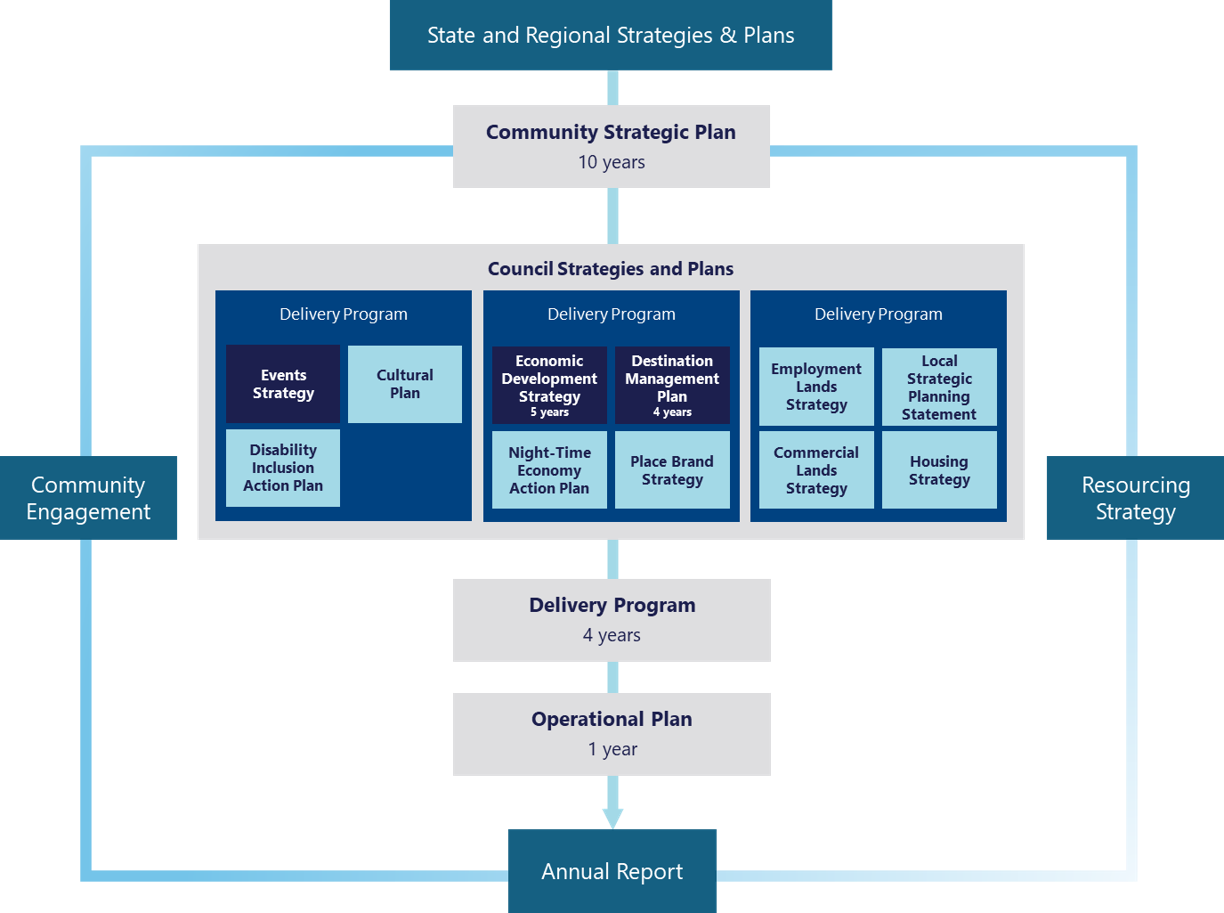
The Economic Development Strategy, Destination Management Plan and Events Strategy have been developed together addressing the overarching Community Strategic Plan.

Delivery of actions is through the Delivery Plan and Operational Plan.

These documents directly support the objectives of the Community Strategic Plan by contributing to a strong local economy, vibrant communities, and sustainable environments.


Economic Development Strategy

We want to hear from you!

The Economic Development Strategy provides a clear framework for how Council will support economic development over the next four years. It brings together shared priorities for business growth, industry development and inclusive economic opportunities across the region.

The Strategy will guide Council’s economic initiatives and outlines a shared vision for success based on four key outcomes:

  • A prosperous economy
  • Vibrant places
  • Growing industries
  • Connected communities
  • Your input helps shape what happens next

    The draft Economic Development Strategy outlines priorities and actions for growing jobs, skills, industries and investment on the Central Coast. Feedback now helps influence which actions are refined, prioritised or strengthened before the strategy is finalised.

  • Local experience matters in getting this right

    The strategy is built on research and early consultation, but it needs real-world insight from businesses, workers, students, industry groups, First Nations organisations and partners. Sharing your perspective helps ensure the actions reflect how the local economy actually works.

  • Opportunity to shape the region’s economic future

    Once finalised, the strategy will guide decisions over the coming years. Providing feedback now helps shape a future that supports sustainable jobs, resilient industries and strong communities across the Central Coast.

Priority areas

  • Industry Growth and Support

    Strengthening the economy by supporting local industry, fostering local business retention and expansion and attracting strategic investment that generates quality job opportunities for local people.

  • Place, Identity and Activation

    Enhancing the region’s distinct towns and locations through place-based initiatives, cultural activations and strategic master planning that reflects local identity and community pride, while creating vibrant spaces for residents and visitors to connect.

  • Destination Brand and Visitor Economy

    Positioning the region as a leading visitation and business destination by growing the destination’s profile, marketing initiatives and a dynamic calendar of events that showcase local talent, stories and culture, strengthening both community and visitor experiences.

  • Infrastructure and Connectivity

    Prioritising and advocating for the infrastructure essentials including roads, transport and digital networks to enable sustainable future economic growth and improve accessibility for residents, workers and visitors, fostering stronger social and economic connections.

  • Strategic Alliances for Regional Growth

    Establishing strategic partnerships with levels of government and industry to enable sustainable future business investment, employment and workforce opportunities. Focus on developing local talent, inclusive participation and future-ready skills to ensure economic growth benefits people as well as industry.

We want to hear from you!

Frequently Asked Questions

Economic development is about creating the conditions for a strong, resilient local economy. This includes supporting local businesses and industries, attracting investment, creating jobs, strengthening town centres, and making the region a great place to live, work and visit. It focuses on long-term opportunities that benefit the whole community.

The Economic Development Strategy provides a clear framework for how Council will support economic development over the next four years. It brings together shared priorities for business growth, industry development and inclusive economic opportunities across the region.

The Strategy will guide Council’s economic initiatives and outlines a shared vision for success based on four key outcomes:

  • A prosperous economy
  • Vibrant places
  • Growing industries
  • Connected communities

The draft Economic Development Strategy is built around the key foundations of people, place and partnerships, including safeguarding and celebrating our natural assets as part of sustainable economic growth. It focuses on five priority areas:

  • Industry Growth and Support – Strengthening the economy by supporting local industry, fostering local business retention and expansion and attracting strategic investment that generates quality job opportunities for local people.
  • Place, Identity and Activation – Enhancing the region’s distinct towns and locations through place-based initiatives, cultural activations and strategic master planning that reflects local identity and community pride, while creating vibrant spaces for residents and visitors to connect.
  • Destination Brand and Visitor Economy – Positioning the region as a leading visitation and business destination by growing the destination’s profile, marketing initiatives and a dynamic calendar of events that showcase local talent, stories and culture, strengthening both community and visitor experiences.
  • Infrastructure and Connectivity – Prioritising and advocating for the infrastructure essentials including roads, transport and digital networks to enable sustainable future economic growth and improve accessibility for residents, workers and visitors, fostering stronger social and economic connections.
  • Strategic Alliances for Regional Growth – Establishing strategic partnerships with levels of government and industry to enable sustainable future business investment, employment and workforce opportunities. Focusing on developing local talent, inclusive participation and future-ready skills to ensure economic growth benefits people as well as industry.

Together, these areas guide how Council will focus its efforts to support economic outcomes for the region.

The draft Economic Development Strategy has been shaped by listening to a wide range of voices across the Central Coast, including businesses, local chambers, industry leaders, regional partners and emerging voices.

Engagement activities included:

  • Workshops and roundtables with businesses, industry bodies and State and Federal Government partners
  • Sector-focused sessions on tourism, education, manufacturing and infrastructure
  • Student input sessions to capture the views of young people entering the workforce
  • Internal discussions with Council staff and elected Councillors

This feedback has helped identify key economic opportunities and challenges and informed the priorities in the draft Strategy.

You provide feedback by:

  • Completing the online survey
  • Attending a pop-up engagement session
  • Emailing: Molly.Marsh@centralcoast.nsw.gov.au
  • Writing to Council: PO Box 20, Wyong NSW 2259

All feedback will be reviewed and considered in the preparation of the draft strategy.

Destination Management Plan

Interested in tourism? We want to hear from you!

Tourism plays an important role in the Central Coast’s economy and everyday life.

Tourism attracts investment into public spaces, facilities and services that locals use year-round, such as foreshore areas, walking paths, signage and community amenities.

The Destination Management Plan identifies key priorities to improve visitor experiences, strengthen local businesses, protect natural and cultural assets, and enhance the overall reputation of the Central Coast.

Strategic themes

  • Identity, Awareness and Place

    Continue to build and strengthen the Love Central Coast brand and ensure that experience of place aligns to visitor expectations and continues positively to shift public perception of the Central Coast.

  • Regional Connectivity

    Strengthen connectivity of tourism product and destinations to create a seamless tourism region and a clear visitor journey with a strong sense of place.

  • Tourism Product and Infrastructure

    Increase the choice, quality and quantity of tourism products and tourism infrastructure to provide compelling, class-leading experiences, with reference to needs and opportunities across Central Coast subregions.

  • Signature Events

    Invest, attract and develop hero tourism events that can contribute to increased visitation and raise positive awareness of the Central Coast as a leading, year-round destination.

  • Industry Development

    Encourage industry excellence and support tourism business growth and development to meet visitor needs.

We want to hear from you!

Frequently Asked Questions

Destination Management is how a place plans for and looks after tourism so it benefits the people who live there as much as the people who visit. It focuses on balancing visitor activity with local lifestyles, protecting natural and cultural environments, supporting local businesses and jobs, and ensuring infrastructure like roads, public spaces and facilities work well for everyone.

Destination Management helps build a vibrant community and shapes a place that people are proud to live, work, and play, while ensuring tourism contributes positively to the local economy, environment and overall quality of life over the long term.

The Destination Management Plan (DMP) is a comprehensive, four-year strategy developed to guide tourism growth and development across the region in a sustainable and balanced way. It identifies key priorities to improve visitor experiences, strengthen local businesses, protect natural and cultural assets, and enhance the overall reputation of the destination. The plan helps ensure tourism benefits the local community while managing pressures on infrastructure, the environment, and services.

Both the State and Federal Governments have identified a well-developed DMP as a key requirement for accessing future investment and grant opportunities.

Tourism is a significant contributor to the local economy, supporting jobs and businesses. However, unplanned growth can lead to challenges like overcrowding, environmental degradation, and strained public services. The DMP provides a coordinated approach to manage tourism sustainably, aligning efforts across multiple sectors. It helps the council and stakeholders make informed decisions, invest wisely, and respond to changing visitor needs and market trends. Importantly, it balances economic growth with protecting the community’s quality of life and natural environment.

It’s about making sure tourism works for locals not just visitors. The plan focuses on keeping the Central Coast a great place to live, work and play through protecting what we love about the area, supporting local jobs and businesses, and improving public spaces that everyone uses.

It also looks at how visitors move around the region so popular areas don’t feel overcrowded, how tourism can help care for our natural environment, and share local stories with respect.

Overall, it’s about building a more vibrant region where tourism adds value to everyday life, now and into the future.

Over the next four years, the draft Destination Management Plan will guide how tourism supports a more vibrant Central Coast and enhances everyday life for residents. The draft plan is guided by clear principles that shape decision-making and action including:

  • Brand Delivery - ensuring the Central Coast’s destination brand is consistently reflected in experiences, places and communications
  • Ecotourism Credentials – building on the Central Coast’s ECO Destination status by protecting the natural environment and promoting responsible and sustainable tourism
  • Visitor Centric – improving the end-to-end visitor experience while reducing pressure on local communities
  • First Nations – respecting and celebrating Aboriginal culture, stories and connection to Country
  • Tourism advocacy – championing the value of tourism to support local jobs, businesses and community outcomes

Guided by these principles, the plan aims to:

  • Increase overnight visitation and spend
  • Increase the number of international visitors
  • Improve the quality and diversity of products, experiences and accommodation
  • Improve the positive perception of the Central Coast as a tourism destination

The draft Destination Management Plan has been informed by listening to a wide range of voices across the Central Coast, including local tourism businesses, local communities, key government agencies and other tourism-related organisations.

Engagement activities included:

  • Internal discussions and workshops with Council staff and elected Councillors
  • Workshops with key tourism businesses
  • Sessions with government agencies and tourism organisations, industry and community
  • Student input sessions to capture the views of young people
  • Region-wide survey to businesses

The process provided valuable insights into opportunities, challenges and infrastructure gaps, while also assessing existing projects and confirming that proposed actions are feasible and aligned with Council’s broader strategies.

This Plan is informed by independent research and analysis (see Appendix B in the Plan for documents reviewed).

The development of the DMP carefully considers and aligns with a range of other important strategies and plans at both the local, state and national levels to ensure consistency and leverage broader initiatives. These include:

Council strategies:

  • Local Strategic Planning Statement (LSPS)
  • Community Strategic Plan
  • Economic Development Strategy
  • Events Strategy

National and state-wide visitor economy strategies

  • Tourism Australia’s Thrive 2030
  • NSW Visitor Economy Strategy 2035
  • Destination Sydney Surrounds North DMP 2022-2030

By integrating these strategies, the DMP ensures a coordinated and effective approach that supports both local aspirations and state government priorities.

You provide feedback by:

All feedback will be reviewed and considered in the preparation of the final strategy.

Events Strategy

Interested in events? We want to hear from you!

Council has developed the draft Events Strategy to help shape the Central Coast into a vibrant, nature‑rich and nationally recognised events destination.

The Strategy sets out a five‑year plan to grow a diverse and sustainable calendar of events that celebrates our local identity, strengthens community connection, supports local businesses and attracts visitors year‑round.

It has been informed by extensive engagement with event organisers, industry partners and Council staff, and outlines clear actions to simplify approvals, improve support for organisers, and enhance the overall event experience across the Central Coast.

Guiding principles

  • Enhances Liveability, Wellbeing & Social Cohesion

  • Environmentally Sustainable

  • Drives Economic Growth and Local Prosperity

  • Supports Key Industries

  • Fosters Innovation and Creativity

  • Inclusive and Accessible

Frequently Asked Questions

The Events Strategy sets out a plan for the Central Coast to be a leading event destination, that is vibrant and nature rich and celebrates local identity, fosters unforgettable experiences, and drives culture, social and economic growth. It provides a roadmap for how Council, event promoters and the community will work together to grow a diverse, inclusive, and sustainable calendar of events that reflect who we are and where we are going.

The Strategy is a five-year plan that includes:

  • Aspirations for events that will be held on the Central Coast, that will attract visitors, elevate the destination brand, support local businesses, activate, and connect the community.
  • Guiding Principles that shape how we access, support, and deliver events.
  • An action plan, which includes simplifying event approval processes and opportunities to attract events to the Coast.
  • A year-round calendar of balanced and high-quality events
  • Increased overnight stay and off-peak visitation
  • National recognition as a leading events destination
  • Stronger community engagement and cultural activation
  • Growth in local business and organiser capability
  • Streamlined processes for third party operators to deliver events on the Central Coast

The draft Events Strategy has been shaped by listening to event promoters, festival and market organisers, venue managers, event suppliers and regional tourism bodies.

Engagement activities included:

  • One on one targeted sessions
  • Focus group meetings on specific challenges and opportunities for hosting events on the Central Coast
  • Focus group meeting with key Council staff on streamlining event approvals

This feedback has helped identify key opportunities and challenges and informed the priorities in the draft Strategy.

You provide feedback by:

  • Completing the online survey
  • Attending a pop-up engagement session
  • Emailing: events@centralcoast.nsw.gov.au
  • Writing to Council: PO Box 20, Wyong NSW 2259

All feedback will be reviewed and considered in the preparation of the final strategy.

When providing feedback to Council your attention is drawn to the provisions of the Government Information (Public Access) Act 2009 which allows for possible access to certain public and personal documentation. View our privacy statement.

If you require further information, please contact Council’s Customer Service Centre. Any written feedback provided may also be made publicly available as (de-identified) verbatim comments in the reporting process.